About Project
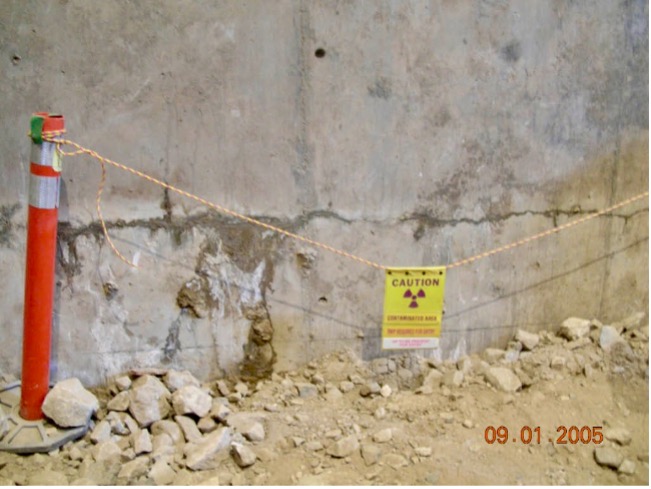
In the year 2005, a moist hairline crack was discovered on an outside wall of the unit 2 Spent Fuel Pool (SFP). Initial analysis of the moisture showed the presence of tritium and other radio nuclides characteristic of the SFP water. A comprehensive examination of site wide historical records of contamination was initiated in order to assess the full magnitude of the site’s contamination problem. Besides the unit 2 SFP, it was discovered that the decommissioned unit 1 reactor was another source of contamination on site. These types of activities evolved into a $30 million dollar program to investigate the sources of the various types of leakage (e.g. Tritium, Strontium and Cesium), characterization of the radioactive contents, and remediation. This was a high intensity and critical path project as shown by the close scrutiny on a daily basis by a large number of stake holders including the Nuclear Regulatory Commission (NRC), the NY State Dept. of Environmental Conservation, state and local government officials, and the public.
Services Provided
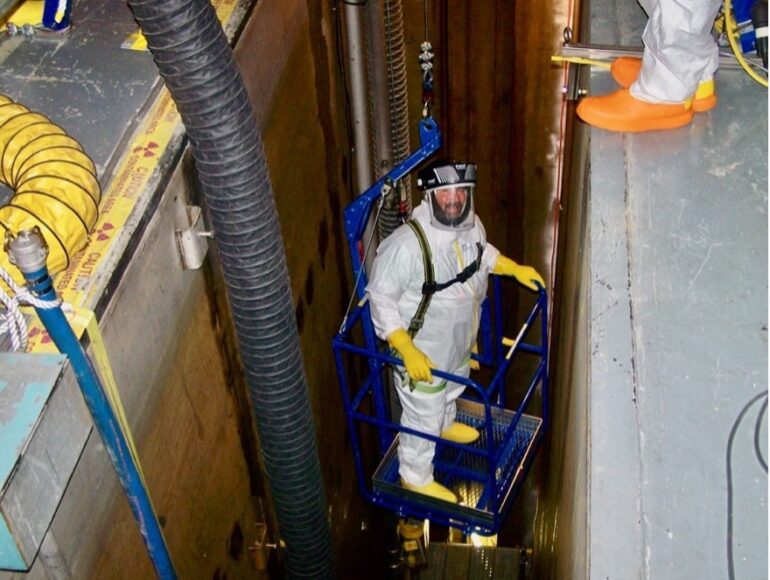
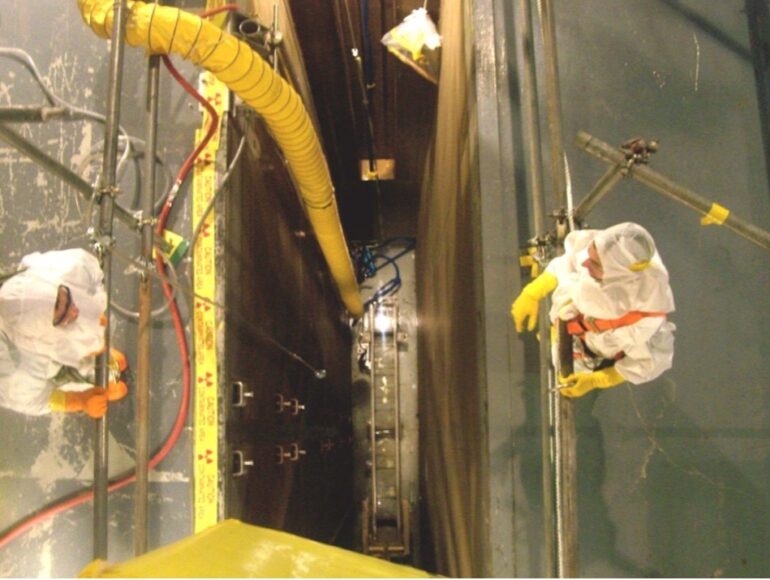
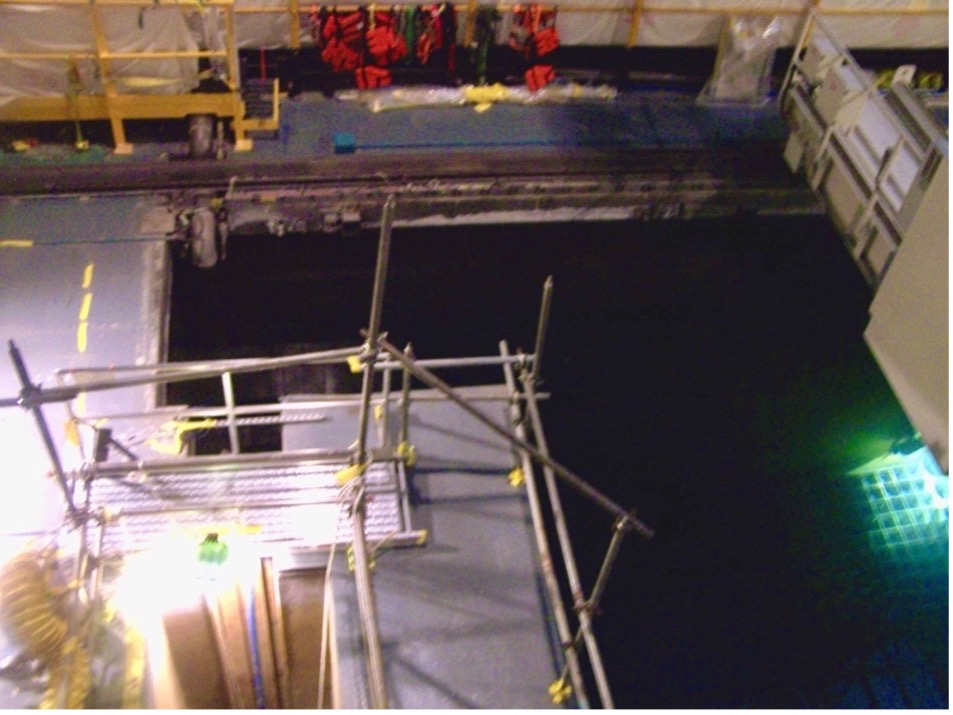
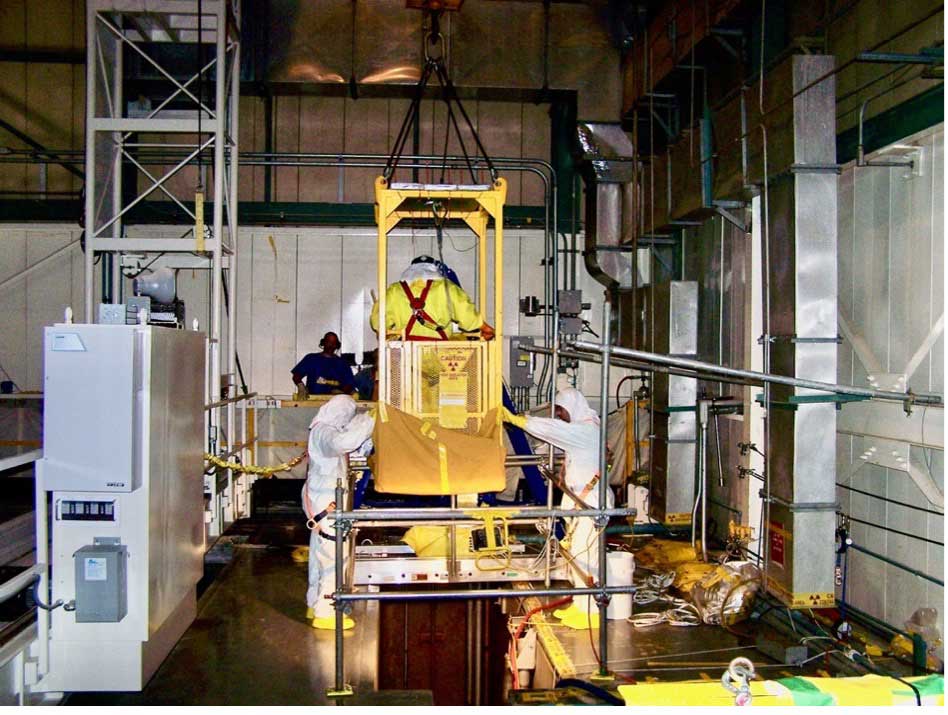
MADERO provided Project Integrator, Project & Construction Management, and Engineering Consulting services to the Radioactive Groundwater Investigation and Remediation Project. The site commitments were IAW NRC’s Information Notice IN 2004-5, “Spent Fuel Pool (SFP) Leakage To Onsite Groundwater”, and NRC’s IE Bulletin 80-10, “Contamination of Non-Radioactive System and Resulting Potential For Un-Monitored, Un-Controlled Release Of Radioactivity To Environment”. MADERO’s Project Team was successful in finding the source of the leak in the Spent Fuel Pool. The following tasks were just a few of many performed during the project investigation, leak localization and repair in an utmost safe manner with over 250 confined space entries in the SFP’s Hi-Hi Radiation areas.
- Underwater Non-Destructive Examinations (NDE’s) of the SFP and Transfer Canal via Remote Operated Vehicles (ROV’s)
- Development of Long and Short Term Plans of Actions to perform SFP and Transfer Canal Degradation Assessments, Leak Inspections, Decontamination, NDE, Root Cause Analysis, Engineering Evaluations and Calculations, Modifications, Procurement, assemble complete project team including contractors, budget estimate, planning, coordination, scheduling, supervision, contract administration.
- Forensic Engineering including implementation of Kepner-Tregoe Problem Analysis in order to identify structures, systems, and components which may serve as a potential source of tritium, strontium, cesium, or any other radioactive effluent.
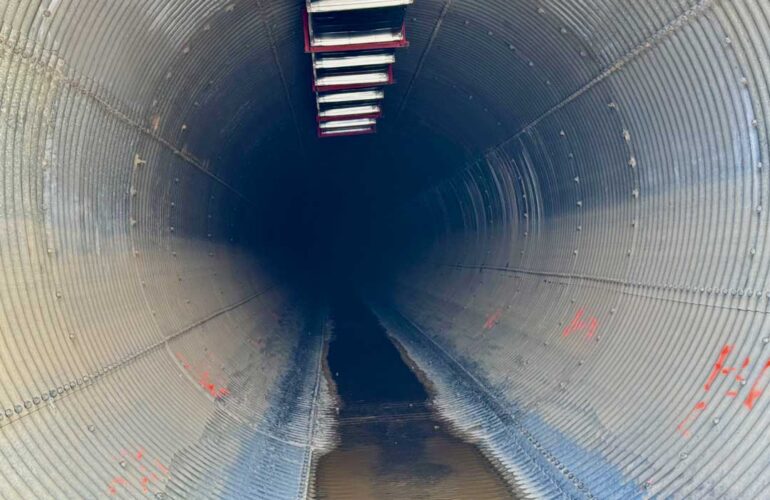
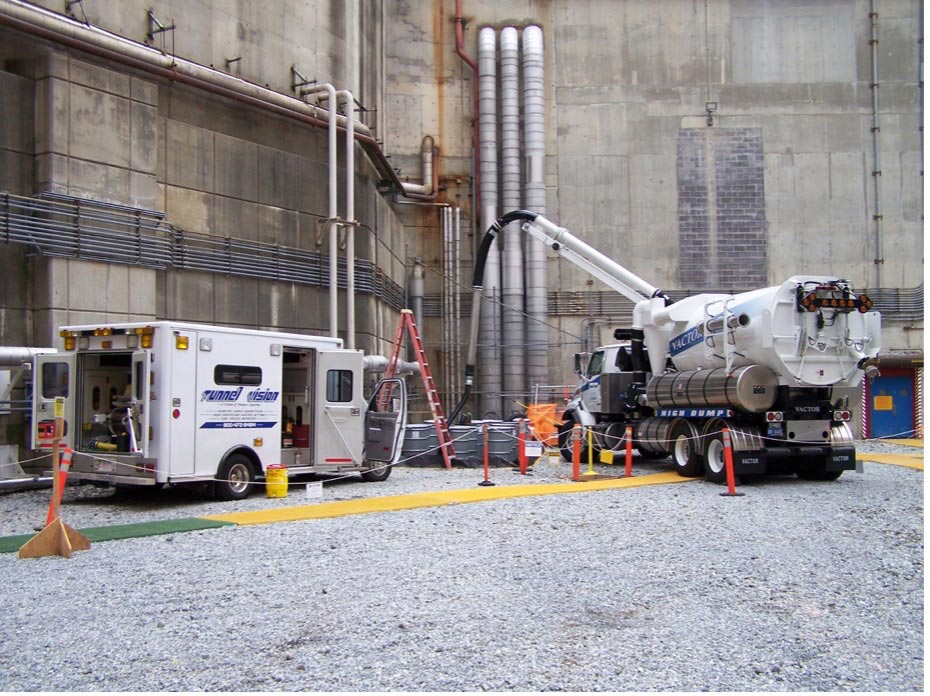
- Inspection, testing and cleaning of the site’s Storm Drain System to verify / validate potential contamination sources and paths.
- Formulated temporary modification to record underwater temperature histogram (via state of the art data loggers) in Transfer Canal during refueling outage. Suspected high water temperatures in the Transfer Canal, due to fuel assemblies movement during reactor core unloading and loading, and lack of adequate cooling, are considered contributing mechanism to the stainless steel liner degradation.
- Generated Engineering Calculations and Reports to check for the structural, mechanical, and functional integrity of the SFP and Transfer Canal’s Stainless Steel Liner; Reconciliations, Generation of Repair Modification Packages.